Philosophy. Meridian, pronounced mə-RID-ee-ən, and phi.
meridian. noun. [Latin meridies.]
- …Every place on the globe has its meridian and when the sun arrives at this circle, it is mid-day or noon.
- Mid-day, noon.
- The highest point; as the meridian of life; the meridian of power or of glory.
Webster, An American Dictionary of the English Language, 1828
Φ phi.
- The 21st letter of the Greek alphabet.
- the irrational number (1 + √5)/2, often denoted by the Greek letters ϕ (phi)… approximately 1.618
American Heritage Dictionary, 5th ed. · Encyclopaedia Britannica, “Golden ratio”
The world’s best ideas die unheard.
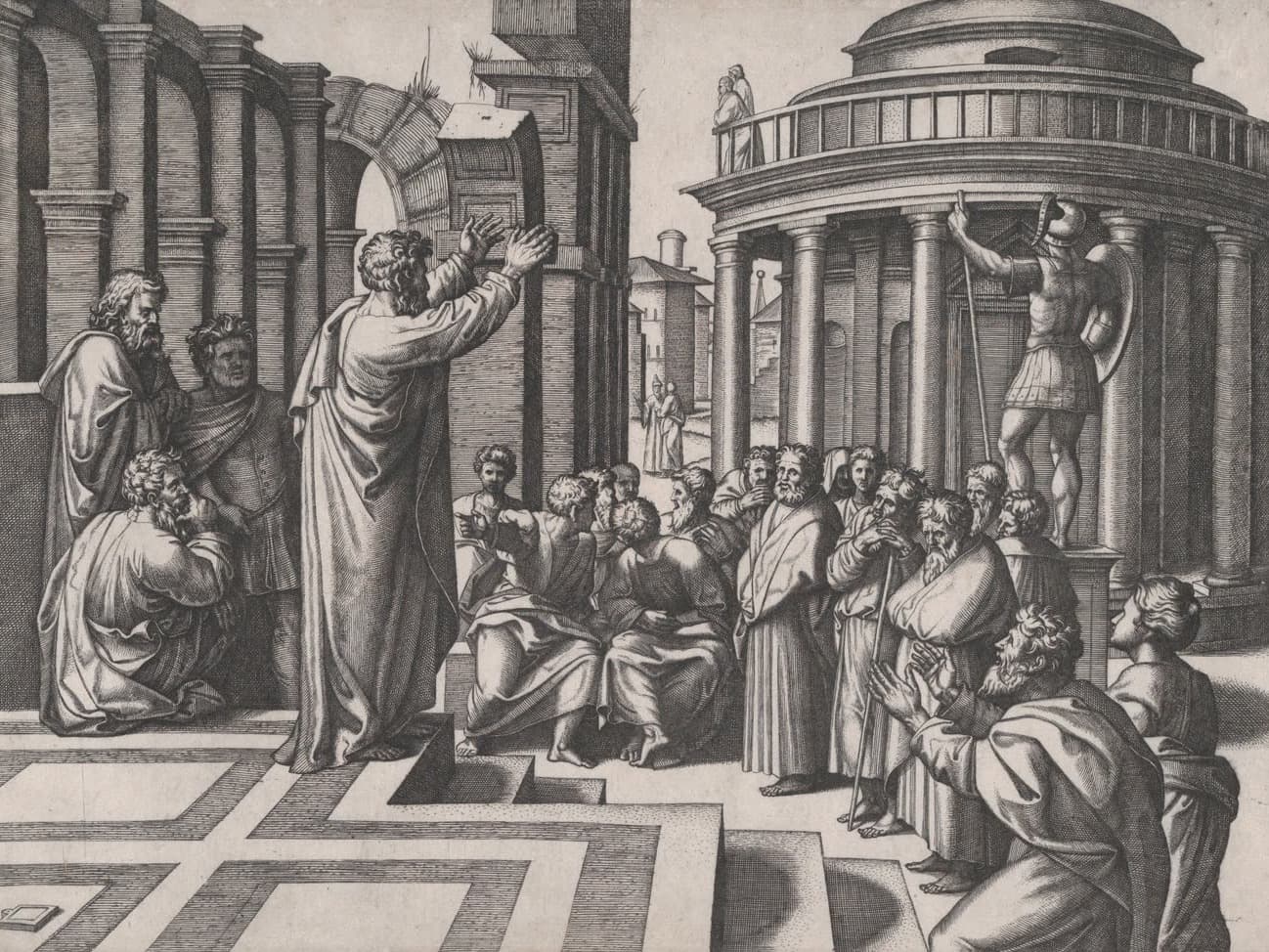
Paul at Athens Paul on Mars’ hill with the philosophers before him, shown as a negative. Acts 17Marcantonio Raimondi after Raphael, Saint Paul preaching in Athens, ca. 1517-20. The Met.
In Athens, Paul “disputed … in the market daily with them that met with him.”
Acts 17:17
Debate is the means by which we search for truth.
The Case for Debate, I · The Purpose of Debate“Then certain philosophers of the Epicureans, and of the Stoicks, encountered him. And some said, What will this babbler say?”
Acts 17:18
Mocking the speaker does not refute his argument.
The Problem, I · The Distance Problem“May we know what this new doctrine, whereof thou speakest, is? … we would know therefore what these things mean.”
Acts 17:19-20
No one can be convinced by an argument they do not understand.
The Case for Debate, II · The Philosopher“I found an altar with this inscription, TO THE UNKNOWN GOD. Whom therefore ye ignorantly worship, him declare I unto you.”
Acts 17:23
Persuasion starts with what the listener believes.
The Resolution, I · The Lineage of Character“…some mocked: and others said, We will hear thee again of this matter.”
Acts 17:32
Debate cannot protect the truth in a room that has already made up its mind.
The Case for Debate, IV · The Room“Howbeit certain men clave unto him, and believed: among the which was Dionysius the Areopagite, and a woman named Damaris, and others with them.”
Acts 17:34
A case that wins over a few listeners is worth making.
The Case for Debate, V · The StakesExpand civic education through discourse.
The internet and artificial intelligence have widened the distance between people and insulated us in digital echo chambers. Meridian works to close that distance. We build the software that hosts discourse. We also teach the communication skills that discourse depends on.
The stake is older than any technology. A people that cannot disagree civilly will settle its disagreements another way. It starts with the demagogue who names an enemy. At the far end is the rhetoric of genocide, which teaches a people that their neighbors are no longer people.
Learning to engage one another civilly is our society’s greatest tool against populist extremism, and debate is where it is learned. A debater has to state the other side’s case fairly before answering it, and has to answer it with reasons. A people that practices this can disagree deeply and still govern itself together.
The founding documents
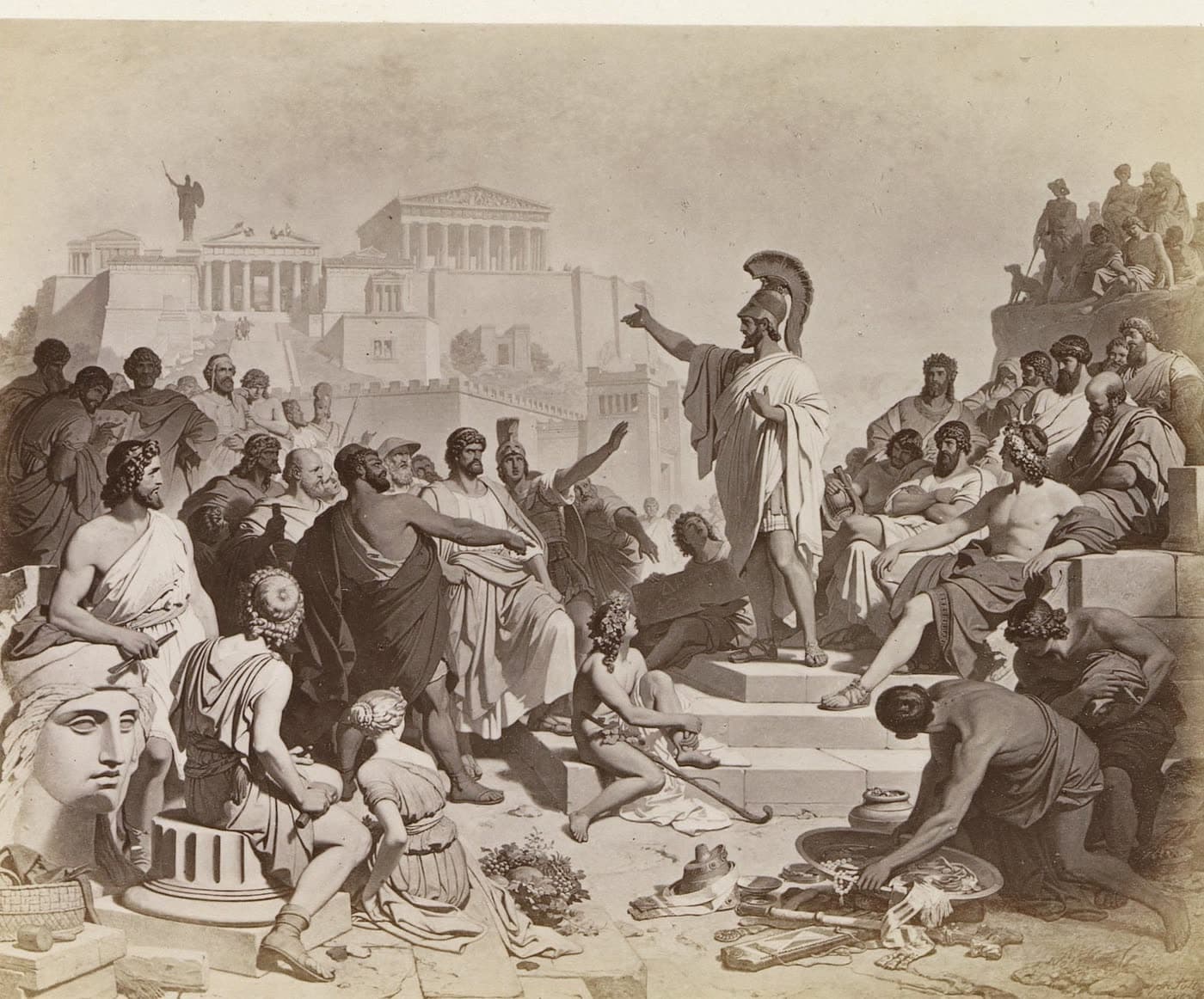
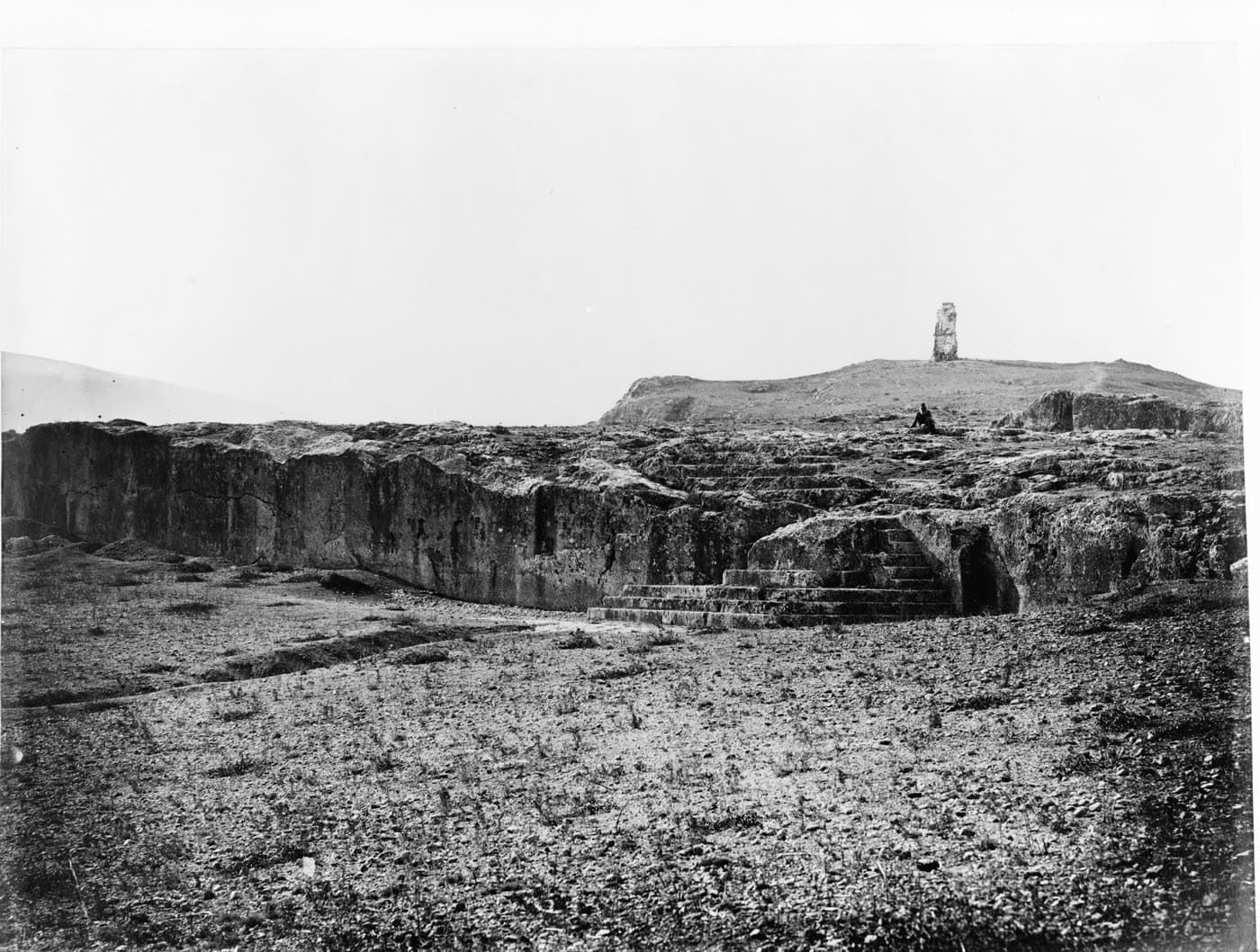
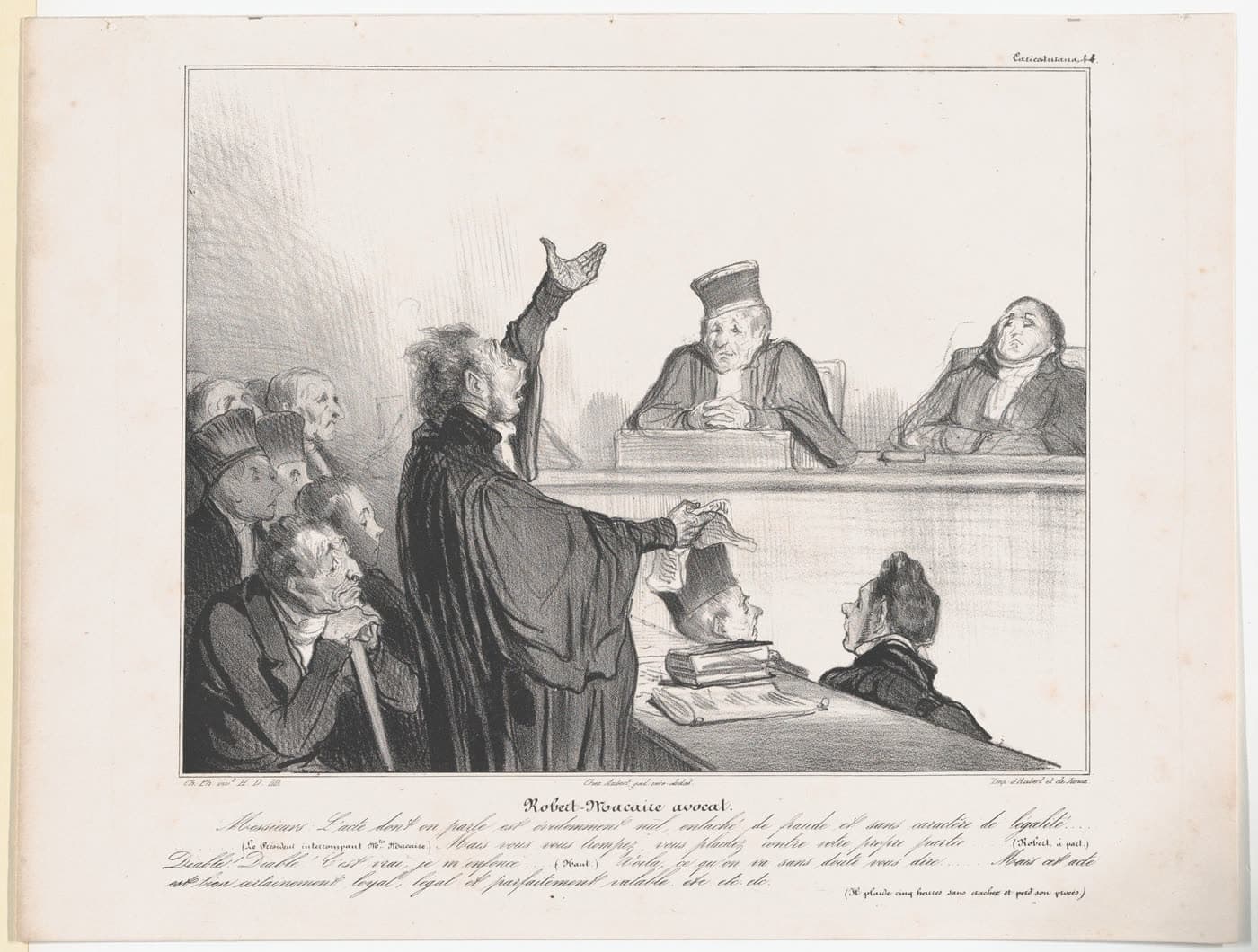
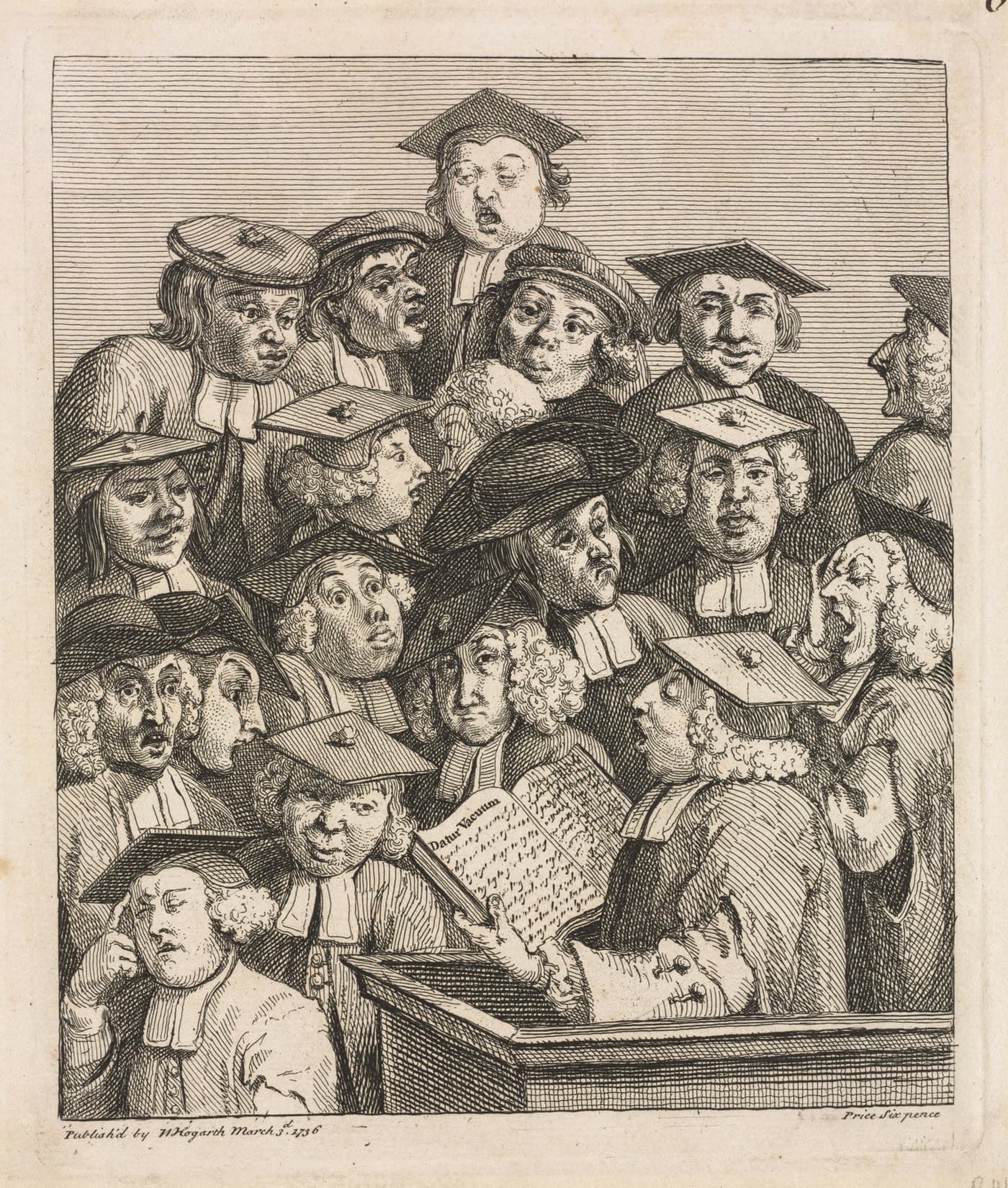
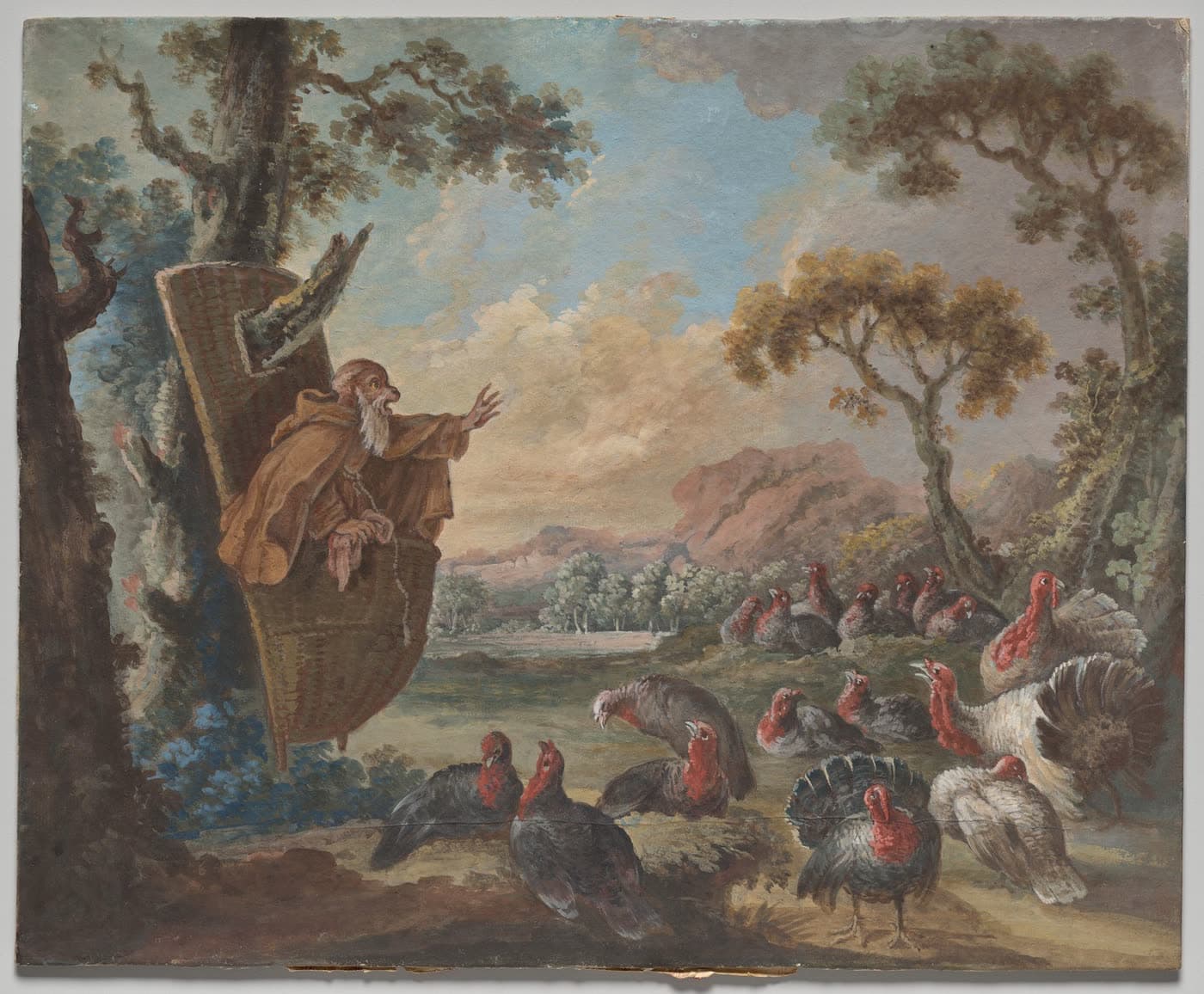
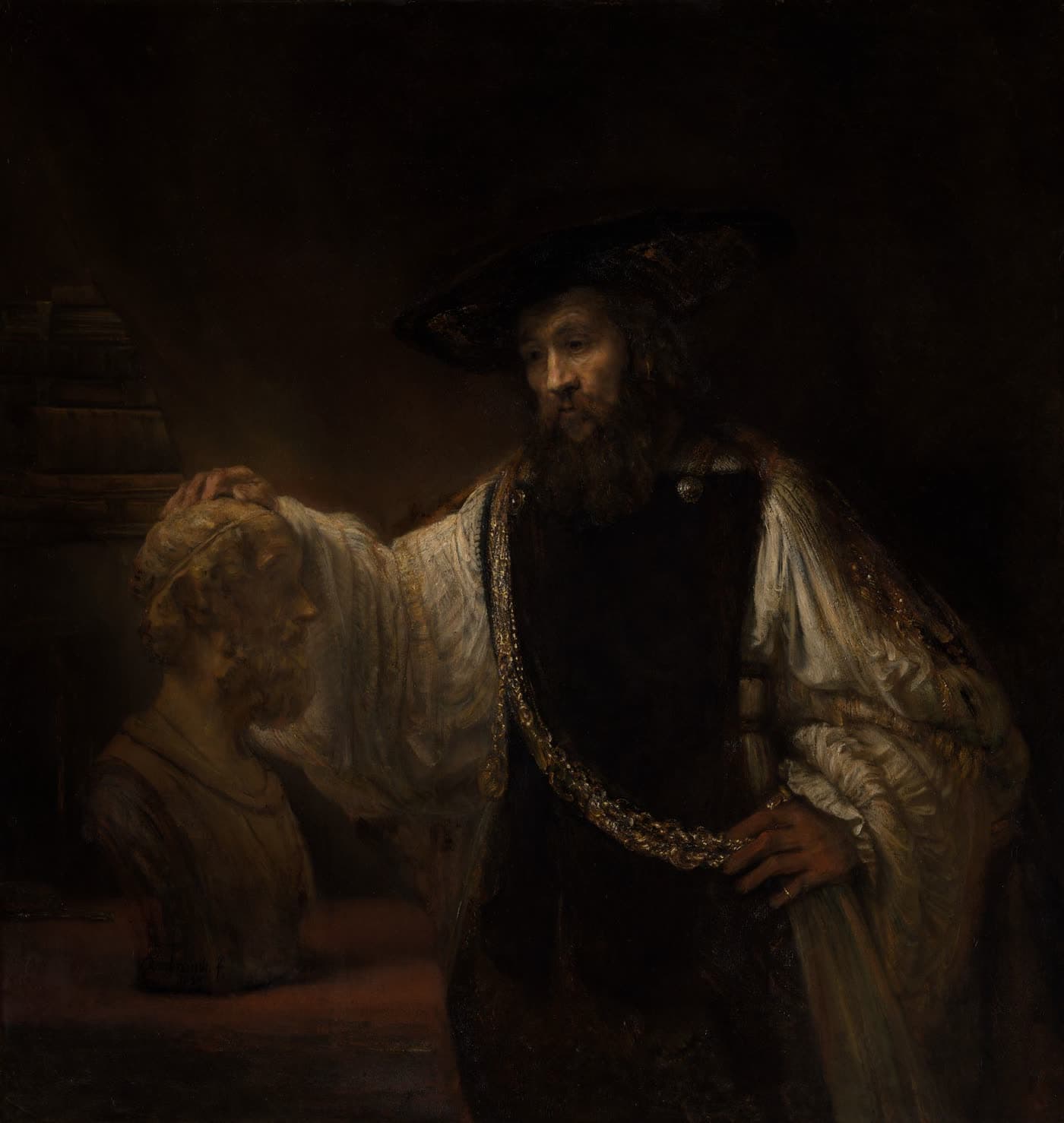
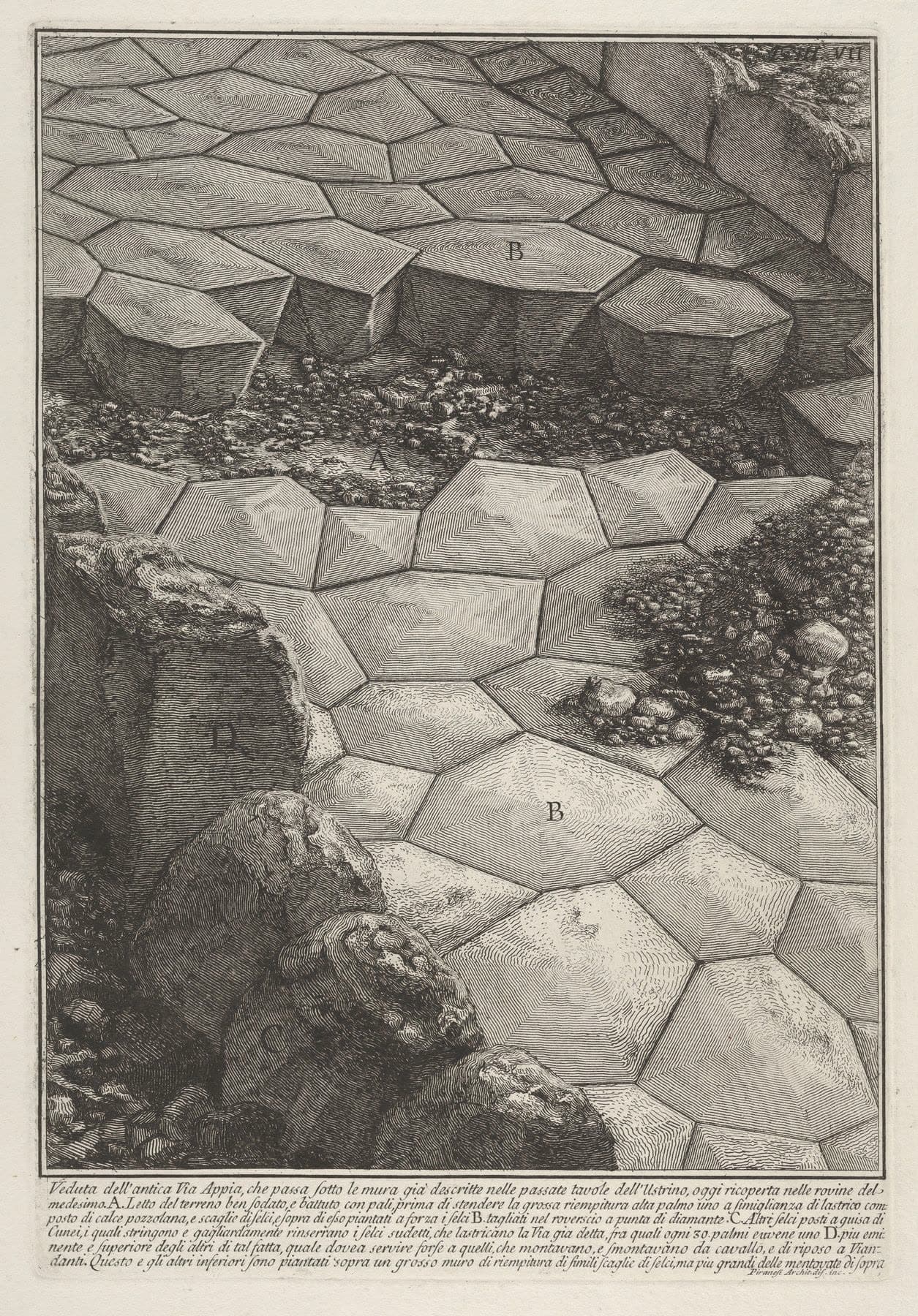
Founders
Two friends founded Meridian from opposite sides of the world, Justus Aryani in Frankfurt and Nathan Chen in Seattle.

Nathan Chen
Co-Founder, Head Coach
Seattle, Washington
Nathan is the 2024 NCFCA National Champion in Team Policy. He studies Computer Science at the University of Washington.
Full profileJustus Aryani
Co-Founder, Platform Lead
Frankfurt, Germany
Justus is the inaugural Coolidge President’s Cup Champion. He studies Cyber Security at Collin College.
Full profileWengen, Switzerland
Ways to work with Meridian
- Schools and programsWe offer curriculum design, coaching partnerships, and competitive infrastructure to programs that want to build serious communicators.Get in touch
- Leagues and nonprofitsWe offer operational software, tournament support, and sponsorship access to organizations scaling civic education in under-resourced communities.Get in touch
- Investors and fundersMeridian is building the infrastructure for debate access around the world. We welcome funders who share that goal.Get in touch
Partner with Meridian.
We work with a small number of programs, individuals, and institutions each cycle. The founders read every inquiry themselves.